
As autonomous driving reshapes our relationship with cars—shifting us from active drivers to mobile passengers—the vehicle transforms into much more than a mode of transport. It becomes a living space on wheels, where design, fashion, and personal lifestyle converge. What we wear, how we curate comfort, and how we design our personal environments at home will increasingly influence how we inhabit these autonomous interiors.
In This Article:
Fashion in Motion: Wearables, Textiles, and In-Car Couture
In this brave new era of driverless mobility, clothing and in-car environments evolve in tandem:
Imagine stepping into a cabin outfitted with sensory fabrics that adjust temperature or posture, and selecting an outfit designed to harmonize or contrast with upholstery textures and tones. Even your choice of outerwear—light trench, oversized cardigan, techwear jacket—can enhance the atmosphere of a lounge-mode cabin.
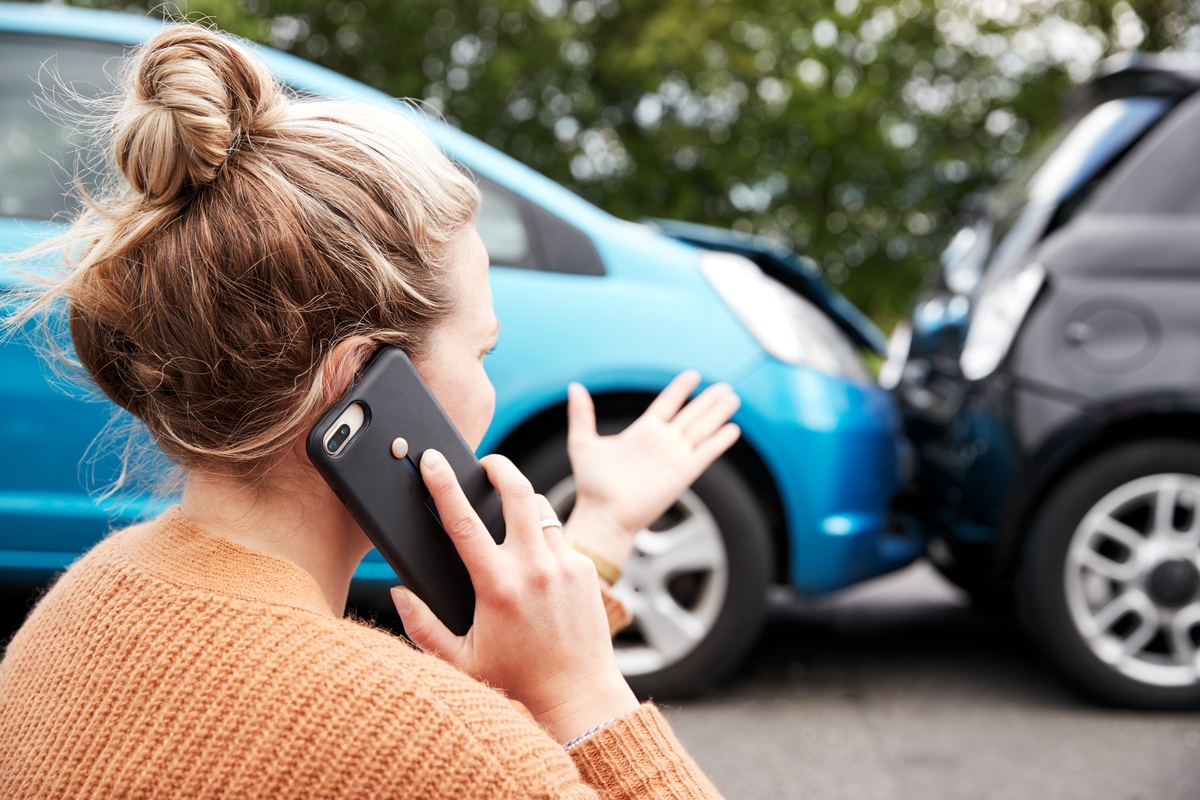
For example, just as you might seek out a trusted Denver Car Accident Attorney after a lifestyle mishap on the road, fashion-conscious passengers will seek out fabrics and finishes that elevate a transit moment into a deliberate curated experience.
Designers foresee “capsule interiors” where occupants can choose palettes of seat fabric, panel color, and trim materials—much like selecting a seasonal outfit—and coordinate them with clothing or accessories.
The Home on Wheels: Living Room Interiors in Transit
Autonomous vehicles of the future will look less like cars and more like traveling living rooms. Concepts such as steering-wheel-absent cabins feature seats that swivel, fold, or recline into lounge-like arrangements. Lighting, ambient scents, and modular furniture blur the distinction between road and living room. Imagine post-work hours spent unwinding in your car cabin, light music playing, soft blankets and a book in hand—your mobile sanctuary.
Materials like cork composites, vegan leather, recycled wool-blend upholstery, and non-toxic finishes draw directly from ethical home design trends. Mood settings—“Wellness Mode” for meditation or “Dream Mode” for relaxation—transform the cabin ambiance much like smart lighting systems elevate a personal living space.
Seamless Integration: Home Design Principles Extend to Cars
Designers anticipate autonomous cabins echoing the aesthetics of minimalist Japanese homes or Scandinavian interiors: uncluttered surfaces, integrated ambient screens, warm neutral tones, and eco-conscious materials.
Modular elements—fold-out tables, ottoman-style footrests, or hidden storage—make the car a true multipurpose third space: part office, part lounge, part living room. Just as smart homes adapt lighting, temperature, and sound to your daily habits, autonomous cabins will adjust to your fashion mood and interior preferences through AI learning over time.
Style Cultural Shift: Fashion, Interiors & Lifestyle Merge
The crossover between high fashion and automotive design is increasingly likely. Fashion houses may offer curated cabin palettes—think “Spring Linen & Birch Green,” or “Urban Noir Matte & Graphite Texture”—available for personalization in upcoming autonomous car models.
Interior materials trending in home design—felted wool carpet, soft cork trim, Tencel-blend fabrics—are bound to emerge in cabin finishes. The interplay between your outfit’s texture and the seat surface becomes a form of personal styling statement: velvet blazer on boucle seat, linen scarf against cork door panels.
At this intersection lies the opportunity for lifestyle branding—from runway to roads, homes to car cabins, your environment becomes a fashion accessory.
Challenges & Design Tensions
- Technology vs. Warmth. The sleek functional surfaces of fold-out tables and touchscreens may feel cold without the introduction of soft tactile motifs or layered textiles. Designers must combine tech with tactile warmth to avoid sterile interiors.
- Safety & Comfort. Swiveled or reclined seating poses challenges for restraint systems: adaptive belt designs, smart sensing, and adjustable airbags must balance comfort and safety. It’s a delicate choreography of flexibility and protection.
- High-Fashion Durability. Fabrics must withstand UV exposure, wear, stains, and maintenance demands. Sustainable textile innovation will be key to merging high style with functional longevity.
Conclusion: The Future Car as Personal Environment
Autonomous cars represent more than innovation in mobility—they herald the rise of mobile style spaces molded by fashion sensibilities, comfort needs, and aesthetic values. The interior of a driverless vehicle becomes an intentional setting—your mini-lounge, your office, your sanctuary at 70 mph.
To design these new environments, creators must think beyond transportation: they must channel the sensibility of home interiors and the personality of fashion editorial. When material meets mobility, and environment meets identity, that’s where self-driving style truly takes shape.