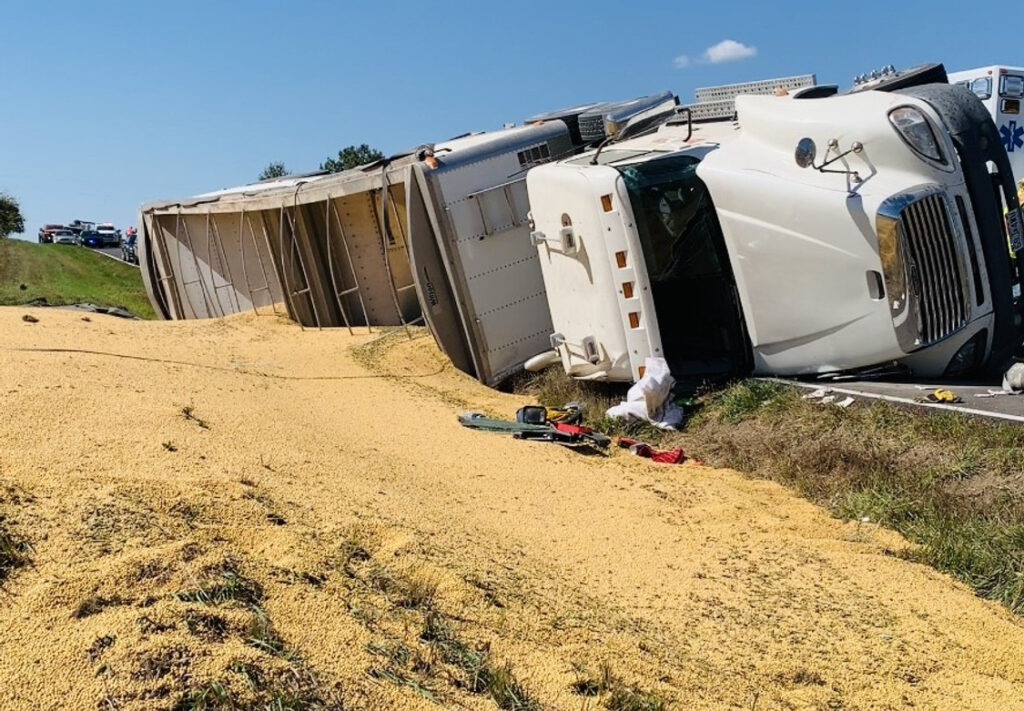

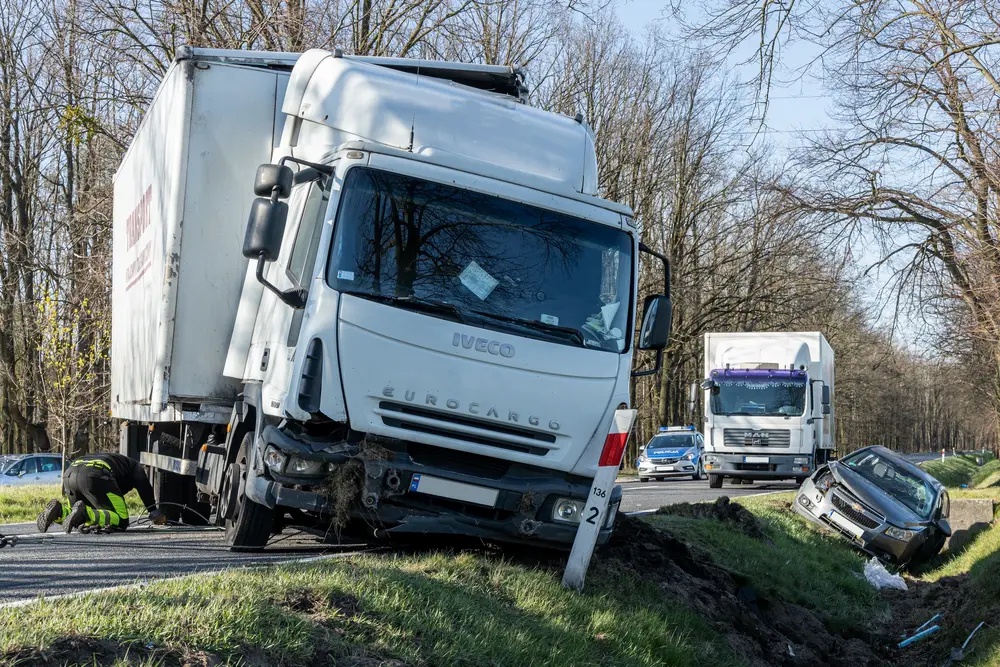
Truck accident cases have their own complexities in Richmond, VA, where commercial vehicle traffic is substantial. According to the Virginia Department of Motor Vehicles, large truck crashes resulted in over 3,800 incidents across the state in 2023, with many causing serious injuries. Many occasions involve great pains, various parties, and complex rules and regulations. Coping with cases like these comes with a systematic process, intricate comprehension, and a hands-on approach depending on the particulars.
As with many of these situations, a well-laid-out plan and open communication lead to fairness. If you’ve been injured in a commercial vehicle collision, lawyers handling truck accident injury cases in Richmond can help navigate the legal complexities and protect your rights throughout the claims process. Understanding what goes into building a strong case can help victims know what to expect during this challenging time.
In This Article:
Thorough Case Evaluation
Truck injury cases start with a thorough investigation. The evidence, which includes, among other things, police reports, statements from witnesses, and pictures, is at the core. Maintenance records, driver logs, and accident reconstructions shed light on the events leading up to the crash. Using these elements, workers can establish liability and back up the injured person’s case.
Understanding Legal Regulations
The rules for trucking accidents are somewhat different. Laws regulating commercial vehicle operation are classified as federal and state laws. They must also have knowledge of weight limits, hours of service, and maintenance mandates. According to the Federal Motor Carrier Safety Administration, these standards establish whether or not a violation contributed to the event. Individuals who are overseeing the matter need to monitor developments regarding the law change to be in compliance.
Identifying Responsible Parties
Cases of truck injury are commonly multi-party. They could include the driver, trucking company, maintainer, or manufacturer of the truck. Determining who was responsible for what will require a close examination of the contracts, employment records, and inspection documents. Correct allocation of the accountability guarantees that all possible natural or legal persons liable are included in the action for damages.
Dealing With Insurance Companies
In the best of circumstances, these cases can prove a challenge in insurance negotiations. Numerous policies may be applicable, providing for varied terms and limits. It is a matter of life or death to know the coverage offered, as well as what is not covered, and the policy language. By being open to conversations and by not following through on a claim, anyone involved can get the money they deserve for an accident.
Evaluating Damages
Injuries and property loss often result from truck collisions. You start dealing with the damages side of the case, dealing with medical expenses, lost income, and pain and suffering. Such cases can become more complicated when ongoing care or rehabilitation is necessary. Good documentation and expert opinions support the demanded compensation amount.
Working With Experts
It usually only strengthens a truck injury case with expert testimony. Expertise from accident reconstruction experts, medical experts, and economic experts. Their impartial findings can help make sense of technical nuances and may provide evidence in support of a fault and damage case. Involving appropriate professionals early enhances the credibility of the case.
Managing Court Procedures
Deadlines and rules are strict when litigating a truck injury case. A deadline must be met, and your documents prepared and filed. Presenting your case effectively and responding promptly to motions are crucial for progressing your case in an orderly manner and achieving the necessary resolution. The ability to adjust tactics in response to counterarguments often determines the final result.
Prioritizing Communication
However, throughout this process, clear communication remains key. Informing clients about developments creates a sense of trust and mitigates uncertainty. Frequent updates also help in quick decision-making and avoiding confusion. Strong communication between specialized team members and experts provides clarity and uniformity.
Staying Compassionate and Objective
In many truck injury cases, there is a lot at stake emotionally. Even the people involved can have trauma and stress. It is important to maintain a balance between objectivity and empathy, while also avoiding the ego-driven attachment necessities. Being supportive and understanding can allow the injured person and their family to go through the healing process as easily as possible.
Continuous Learning and Improvement
Truck injury cases are a relatively new and evolving area of the law. Continuing educational and professional development opportunities keep practitioners aware of new legislation, technological advances, and new techniques. Collaboration is also one of the major objectives of this industry; sharing knowledge makes standards more stringent, which results in great outcomes for everyone.
Conclusion
In summary, handling complex truck injury cases requires skill, rigor, and commitment. Each step, from gathering evidence to collaborating with specialists, necessitates focus and vigilance at every turn. Tips to achieve justice: Understand regulations, share responsibility, and keep lines of communication open amongst professionals. Such incidents are indeed tough to deal with, and this is where compassion and continuous learning prove conducive for the victims. But with the right approach, even the hardest cases can be handled quickly and fairly.