
Innovation and sustainability are fueling a boom in car body customization, as drivers seek one-of-a-kind experiences through personalization in 2025. As technology advances, enthusiasts are finding new ways to tailor their vehicles to reflect individual preferences and lifestyles.
Customization is no longer limited to aesthetics. It now blends performance, functionality, and cutting-edge technology for a holistic approach to personalization.
Meanwhile, tech-savvy consumers are using smart integrations, such as AI-powered systems to enhance convenience and safety.
Whether it’s bold exterior designs, bespoke interiors, or high-performance upgrades, automotive customization in 2025 is about pushing boundaries and redefining possibilities. This article highlights the top trends shaping this exciting industry.
In This Article:
Smart Car Modifications with AI and IoT Integration
Artificial intelligence (AI) and the Internet of Things (IoT) are transforming the way vehicles are customized. They are bringing unprecedented levels of connectivity and intelligence to the automotive world.
In fact, by 2033, the AI in the automotive market is projected to reach $134.3 billion, up from $7.7 billion in 2024. As per Market.US, this is with a compound annual growth rate (CAGR) of 37.4% between 2025 and 2034.
As the numbers show, AI has become a key player across the entire automotive ecosystem. It powers advancements in driver assistance technologies, risk assessment tools, and even the development of smarter, more intuitive vehicles.
AI is reshaping how vehicles are conceived, built, and used by emulating human decision-making through data and algorithms. Moreover, AI-powered infotainment systems integrate voice assistants like Alexa and Google Assistant. They allow drivers to control navigation, entertainment, and climate settings hands-free.
IoT-enabled diagnostics add sophistication by allowing real-time monitoring of a vehicle’s condition through mobile apps. This empowers drivers to stay proactive about maintenance and repairs.
Performance Upgrades for EVs and Diesel Vehicles
As electric vehicles (EVs) and diesel-powered engines continue to advance, performance upgrades are evolving to cater to the unique preferences of drivers and enthusiasts. EV tuning optimizes software and energy systems. Meanwhile, diesel upgrades remain popular for those seeking increased power, fuel efficiency, and engine reliability.
EV Performance Enhancements
EV performance enhancements are pushing the boundaries of efficiency and innovation. Battery optimization software enables custom tuning of the electronic control unit (ECU), improving acceleration, and driving range.
Another key development is regenerative braking. The shift towards electric and hybrid vehicles is a major catalyst for the growth of regenerative braking systems. According to JustAuto, GlobalData’s research highlights the brands that lead innovation in this area.
The analysis identifies 225 companies, including technology providers, established automakers, and emerging start-ups. They are all actively driving the advancement and implementation of regenerative braking technology.
Diesel Performance Upgrades
As technology advances, diesel performance upgrades are evolving to offer more power, efficiency, and sustainability. Here are the top trends shaping diesel upgrades this year:
- High-Flow Exhaust Systems: Upgrading to a performance exhaust system reduces back pressure, increases fuel economy, and extends engine life. It also creates a more aggressive, deeper exhaust tone.
- Turbocharger and Intercooler Enhancements: According to Diesel Power Products, enhancing your turbo system can boost power and reduce engine stress. However, to achieve optimal performance, it’s essential to maintain a fully sealed and efficient airflow path. Even minor leaks can hinder efficiency and impact overall output. Upgrading or adding a turbocharger helps maximize horsepower while ensuring smooth and consistent performance.
Advanced Vehicle Wraps and Paint Innovations
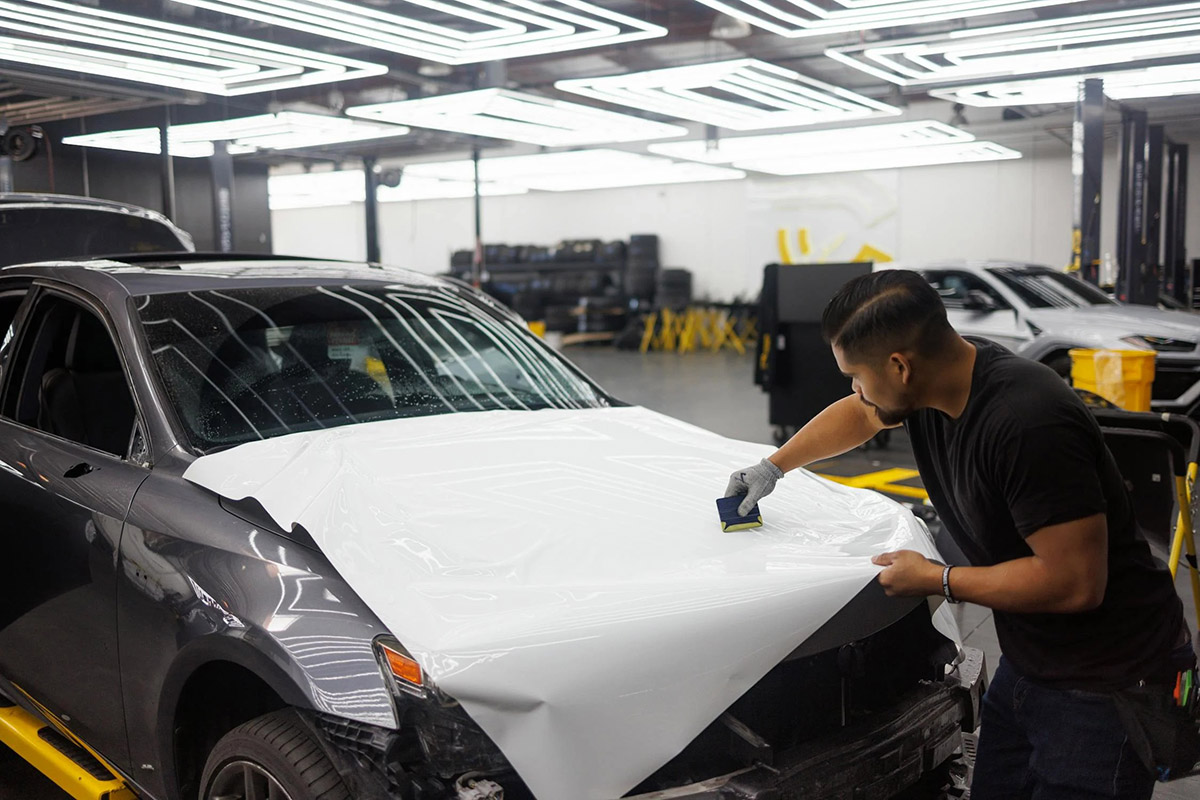
Thanks to cutting-edge paint and wrap technologies, the world of vehicle aesthetics is undergoing a radical change in how cars feel and look. Standard colors and finishes are a thing of the past since modern technologies provide previously unheard-of levels of customization.
Among these innovations are color-shifting paints, such as thermochromic and electrochromic options. Thermochromic paints change colors dynamically based on temperature. Electrochromic paints, on the other hand, shift hues when exposed to electrical currents, creating a striking and customizable appearance.
Another groundbreaking advancement is self-healing coatings, which are gaining significant traction in the global market. Precedence Research reports that the global self-healing coatings market generated revenue exceeding USD 3.16 billion in 2024. It is projected to reach approximately USD 22.99 billion by 2033, with a compound annual growth rate of 28.41%.
Their growing popularity stems from their versatility and effectiveness in offering protection against wear, corrosion, and environmental damage. These benefits make them suitable for various industrial uses. For drivers looking to touch up or repaint their vehicles with exact OEM color matches, PaintScratch offers a wide range of touch-up paint solutions for nearly every make and model.
Their growing popularity stems from their versatility and effectiveness in offering protection against wear, corrosion, and environmental damage. These benefits make them suitable for various industrial uses.
Retro and Vintage Restomod Trends
Restomods, a blend of restoration and modern performance upgrades, are gaining popularity among classic car enthusiasts. This trend bridges the gap between vintage charm and contemporary advancements.
Classic cars are available at various price points, from barn finds to concours-ready rarities. Restomods, however, belong to a more exclusive niche.
The exclusivity of restomods is not solely about cost but also about craftsmanship and rarity. For instance, Singer, a renowned Porsche restomod specialist, stopped taking new orders for its custom 911s in 2022.
According to CarBuzz, this decision was intentional to preserve the brand’s reputation and the value of its cars. High-end restomods are inherently bespoke creations, and owning one often feels like joining an elite club, making them highly desirable to collectors.
The restomod movement thrives on a perfect blend of classic aesthetics and modern innovation. Electric conversions are redefining vintage cars, equipping them with eco-friendly and efficient powertrains without compromising their timeless character.
Customizers are transforming interiors by incorporating digital instrument clusters, touchscreen infotainment systems, and smart climate controls. At the same time, they maintain the retro styling that gives these cars their classic appeal.
FAQs
1. How is 3D printing changing car customization?
A: 3D printing is revolutionizing car customization by enabling affordable, custom-made parts that are both lightweight and durable. This technology allows car owners and manufacturers to create unique designs, replace components quickly. They can even produce parts that were previously unavailable or expensive to manufacture.
2. What will the automotive industry look like in 2030?
A: By 2030, the automotive industry will see major shifts in global sales and strategic collaborations. Over five original equipment manufacturers (OEMs) are expected to surpass 10 million global sales, driving consolidation and partnerships to achieve economies of scale. Companies that fail to adapt may face mergers or acquisitions.
3. What is adaptive control suspension?
A: Adaptive control suspension is an advanced feature found in modern vehicles that adjusts suspension settings based on road conditions and driving preferences. These systems often offer multiple modes, such as eco, comfort, and Sport, allowing drivers to tailor their vehicle’s ride quality and handling.
In 2025, automotive customization is about reimagining the driving experience. From AI-powered smart systems and EV performance innovations to cutting-edge aesthetics and retro-inspired restomods, emerging trends are reshaping the automotive space. As technology and craftsmanship continue to converge, the future of automotive customization is becoming more diverse and innovative.