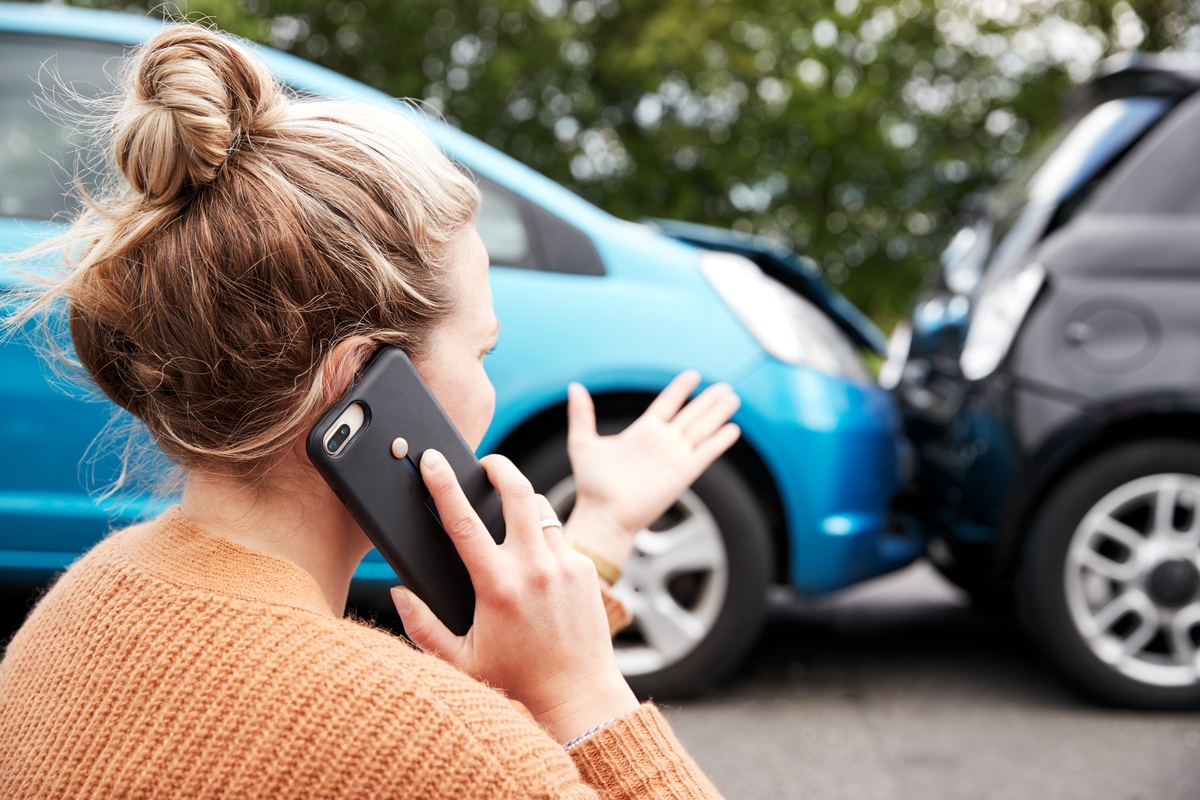


Most of us think about car crashes in seconds: the screech of brakes, the sound of metal, the airbag exploding in your face. But if you’ve ever been in a serious collision, you know the real story doesn’t end when the tow truck leaves. In some ways, that’s where it starts.
Life after a bad crash isn’t just about fixing the car or dealing with a claim number. It’s about learning how to move through your days again when your body, your mind, and your plans no longer feel the same as they did the morning before everything happened.
This is what that “after” can look like, off the road.
In This Article:
The Shock Doesn’t End At The Scene
Right after a crash, everything is loud and bright. Sirens, flashing lights, strangers asking if you’re okay. Adrenaline gives you a strange kind of focus. You answer questions, swap insurance details, maybe ride in an ambulance or sit on the curb waiting for a ride.
Then you get home.
The next few days can feel even more surreal than the crash itself. You notice bruises you didn’t see before. Your neck feels stiff. You wake up suddenly at night because you keep hearing the impact again in your head. The world is moving like normal, but you feel slightly out of sync with it.
People might say “at least you’re alive” or “it could have been worse,” and they’re not wrong. But that doesn’t make it easy to climb back into a car or drive past the same intersection without feeling your heart rate jump a little.
Your Body Has Its Own Timeline
One of the most frustrating parts of a serious crash is that your body doesn’t follow your calendar. You might have deadlines, plans, or trips on the horizon, but your back, neck, or head may have other ideas.
You might:
- Wake up stiff and sore for weeks
- Need physical therapy sessions that eat into your lunch breaks
- Feel tired halfway through the day, even if you’re “supposed” to be healed by now
There’s also the weird in-between stage. On some days, you feel almost normal. On others, a simple movement, reaching for something, turning your head quickly, reminds you that your body is still keeping score.
You start making tiny adjustments:
- Choosing routes with fewer left turns
- Avoiding long drives at night
- Parking farther away so you don’t have to reverse in a crowded lot
None of those changes seem huge on their own. Put together, they’re a reminder that your life now has a “before the crash” and “after the crash” version.
The Money Stress You Don’t See Coming
Even if you have insurance, serious crashes often come with a financial ripple effect. It’s not just the hospital or the body shop. It’s all the little add-ons that quietly pile up.
You might be paying for:
- Rideshares or rentals while your car is in the shop
- Extra childcare because you’re juggling appointments
- Over-the-counter meds, braces, or home equipment to get through the day
If you’re out of work or working fewer hours, every bill feels heavier. You may start doing math in your head constantly: “If I skip this appointment, I can cover that bill.” It becomes its own kind of pressure, sitting in the background of everything else.
That’s one of the reasons people start paying closer attention to their rights after a crash. It isn’t about being greedy. It’s about trying to get back to where you were before someone else’s choices derailed your routine.
How It Affects Your Independence And Relationships
Injuries have a way of making simple things feel complicated. Maybe you need help getting groceries into the house or carrying laundry. Maybe someone else has to drive you for a while because you’re on medication or you’re just not ready to get behind the wheel again.
If you’re used to being the one other people rely on, that can be hard to accept. You might catch yourself apologizing for “being a burden” or downplaying your pain because you don’t want to worry anyone.
The people around you are adjusting too. Some are incredibly supportive. Others might unintentionally minimize what you’re going through because from the outside, you “look fine.” There isn’t a script for any of this, so you end up figuring it out in real time, one awkward, honest conversation at a time.
The Mental Side No One Sees At A Glance
Not every injury shows up on a scan.
After a serious crash, a lot of people notice small things that don’t feel like “normal” fear. Maybe you grip the steering wheel a little tighter when someone follows too closely. Maybe you avoid the lane where you were hit, or you can’t relax when you’re a passenger because you keep checking the mirrors.
You might deal with:
- Trouble sleeping
- Sudden memories of the crash at random times
- A tight, restless feeling when you drive past the crash site
These reactions don’t mean you’re weak or being dramatic. They’re your brain’s way of trying not to be caught off guard again. Over time, with support and consistent routines, those responses often soften, but that doesn’t mean they weren’t real or that they didn’t shape the way you move through the world afterward.
The Quiet Decisions You Have To Make
Long after the tow truck and flashing lights are gone, you’re still dealing with paperwork, appointments, and choices you never asked for.
You might be:
- Filling out forms you don’t totally understand
- Taking calls from insurance adjusters asking the same questions in slightly different ways
- Trying to decide if an early settlement offer is “good enough” or too low
Most people don’t get a manual for this part. You’re trying to heal, keep up with work and family, and also think ten steps ahead about what you’ll need months from now.
That’s where legal considerations after a crash come in. It’s not about turning your life into a lawsuit. It’s about understanding:
- What your injuries might cost you over time
- How California handles fault and compensation
- What it means to sign paperwork that closes your claim for good
Even one good conversation with someone who does this every day can make the path feel less confusing, whether you decide to move forward with a claim or not.
What Stays With You After A Crash
A serious car crash doesn’t just live in the photos on your phone or the damage report from the shop. It lives in the small choices you make every day afterward, when you drive, how you move, what you worry about when you go to bed.
Some things will slowly drift back toward normal. Others may change for good.
You start paying more attention to how people drive. You leave a little more space between cars. You might speak up when a friend is scrolling at a red light or tell a family member you’d rather they call a ride than drive tired. The experience sits quietly in the background, nudging you to take a little more care with the time you spend on the road.
There’s no perfect way to recover, and no single timeline everyone follows. But knowing you’re not alone, that other people have had their lives split into “before” and “after” by a crash, can make it easier to take the next step, ask for help when you need it, and piece together a life that feels steady again, even if it looks a bit different than it did before.