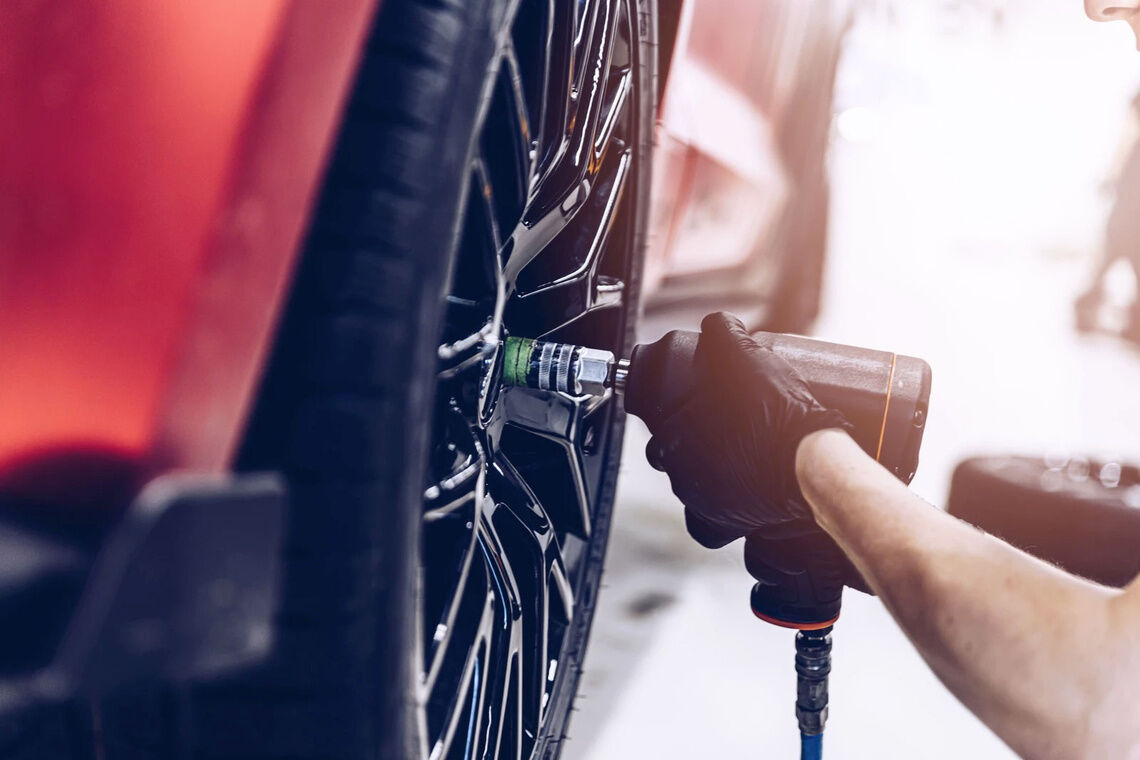



Putting off an oil change or ignoring a warning light feels harmless in the moment—until a “small issue” grows teeth. The truth is that deferred maintenance doesn’t just nibble at your wallet; it compounds costs across repairs, fuel, safety, and the long-term value of your car. Here’s how the bill grows—and how to keep it in check.
In This Article:
Small Issues Snowball Into Big Repairs
Modern vehicles are engineered to be reliable, but they’re also systems of interdependent parts. A worn serpentine belt can lead to an overheating engine; a neglected coolant leak can warp a head gasket; a tiny crack in a hose can take down your whole cooling system on a hot day. What might have been a low-cost replacement becomes hours of labor, towing, and higher parts spend.
Think of maintenance as “interest you pay on reliability.” Delay it, and the interest rate rises. Replace filters, fluids, belts, and brake pads on time and you’re paying pennies to protect pounds.
Safety Risks Multiply When You Wait
Safety isn’t just about crash protection; it’s also about preventing situations that make crashes more likely. Underinflated or worn tires lengthen stopping distances and increase blowout risk—especially at motorway speeds. Brake pads that are allowed to grind into rotors dramatically reduce braking performance. Even an old wiper blade can turn a heavy rain into a hazard by robbing you of visibility when you need it most.
For practical, official guidance on tire condition and maintenance basics, check the U.S. National Highway Traffic Safety Administration’s overview.
Fuel Economy Quietly Slips
Deferred maintenance doesn’t usually fail all at once; it often shows up first at the pump. A clogged air filter, old engine oil, or misfiring spark plug forces the engine to work harder. Even tire pressure just a few PSI below spec can shave off fuel efficiency over thousands of kilometres.
For simple, evidence-based tips on keeping efficiency up—like maintaining correct tire pressure and timely tune-ups—see FuelEconomy.gov’s maintenance guidance: fueleconomy.gov/feg/maintain.jsp.
Resale Value and Warranty Headaches
Buyers (and dealers) pay more for vehicles with documented maintenance. A tidy service history signals “no hidden problems,” supports a higher asking price, and speeds up the sale. Conversely, an incomplete record invites tough questions and lower offers.
Warranties can also become tricky. If a failure can be linked to neglected service—say, an engine issue after skipping oil changes—you may face an avoidable denial. Keeping receipts and a simple log (date, mileage, work done) de-risks future claims and preserves value.
The Real Math: Cost-of-Delay
- Oil and filter change vs. engine wear: Fresh oil protects bearings and turbochargers. Skip two intervals, and the risk of sludge and accelerated wear rises—potentially turning a $70–$120 service into a four-figure repair.
- Brake pads vs. rotors: Pads are designed to wear first. Delay replacement and the metal backing plate can score the rotor, forcing you to replace both components (parts + machining + labor).
- Coolant leaks vs. head gasket: Coolant loss leads to hotspots and warping. Catch a small leak early and you’re replacing hoses or clamps; ignore it and you could face head work, towing, and days off the road.
None of these failures happen in a vacuum—they often cascade. A single breakdown can trigger a tow, missed work, rental car costs, and expedited shipping for parts.
A Maintenance Plan That Pays for Itself
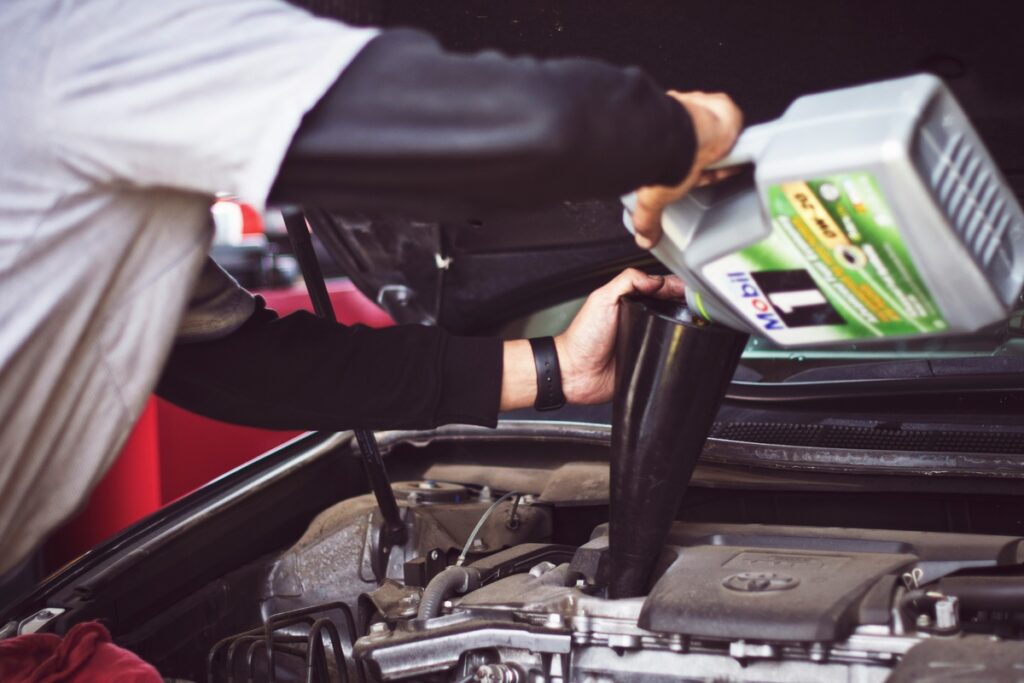
You don’t need to be a mechanic; you just need a routine. Here’s a simple, low-stress framework:
- Quarterly 10-minute check: Tires (pressure & tread), fluids (oil, coolant, brake, washer), wipers, exterior lights.
- Service by mileage, not memory: Follow the intervals in your owner’s manual for oil, filters, spark plugs, brake fluid, coolant, and transmission fluid. If you drive mostly short trips or in extreme temperatures, treat your schedule as “severe duty.”
- Listen for changes: New noises, vibrations, or smells are early warning signs. Investigate sooner rather than later.
- Document everything: Keep digital photos of receipts and a simple spreadsheet or notes app with mileage and dates.
- Mind the cooling system: Overheating is a budget killer. Inspect hoses, radiator, thermostat, and water pump at recommended intervals. If you need replacements for thermal parts, source quality components that match OEM specifications to avoid repeat work.
When You Should Not DIY
DIY checks are great, but know when to hand it to a pro:
- Brake hydraulics and fluid flushes (safety critical).
- Timing belts/chains (engine-saving precision).
- Coolant system diagnosis if you’re seeing overheating, frequent top-ups, or sweet smells from the engine bay.
- Electrical gremlins that drain the battery or produce intermittent warnings.
A qualified technician can spot patterns—a minor squeal, a faint leak, a scan-tool code long before a dashboard light—that prevent expensive surprises.
Skipping maintenance doesn’t just save a few euros now; it lays a trap that springs later—when the repair is larger, the downtime is longer, and the safety margin is slimmer. Build a simple routine, keep records, and act early. Your future self (and your wallet) will thank you.