
There’s nothing quite like a road trip with friends or family. Music on, snacks packed, a great time for all as you head towards an exciting destination. Whether you’re heading interstate or just a few hours away, a road trip is a fun time with your nearest and dearest. However, it can quickly spiral out of control if you break down or get a flat tyre.
This article will explore how drivers can prepare their vehicles for long road trips and remote travel across Australia. We’ll touch on key upgrades and maintenance checks people often overlook, especially when carrying extra weight like trailers, camping gear, or tools. This way, you’ll be fully prepared for your road trip and will hopefully avoid an annoying or distracting breakdown or any issues.
In This Article:
Vehicle Prep
The first thing we’ll touch on is vehicle preparation before long-distance driving, as a helpful checklist of what you should check out or have inspected by a qualified and trusted mechanic.
Consider prepping elements such as;
Tyre Condition and Pressure
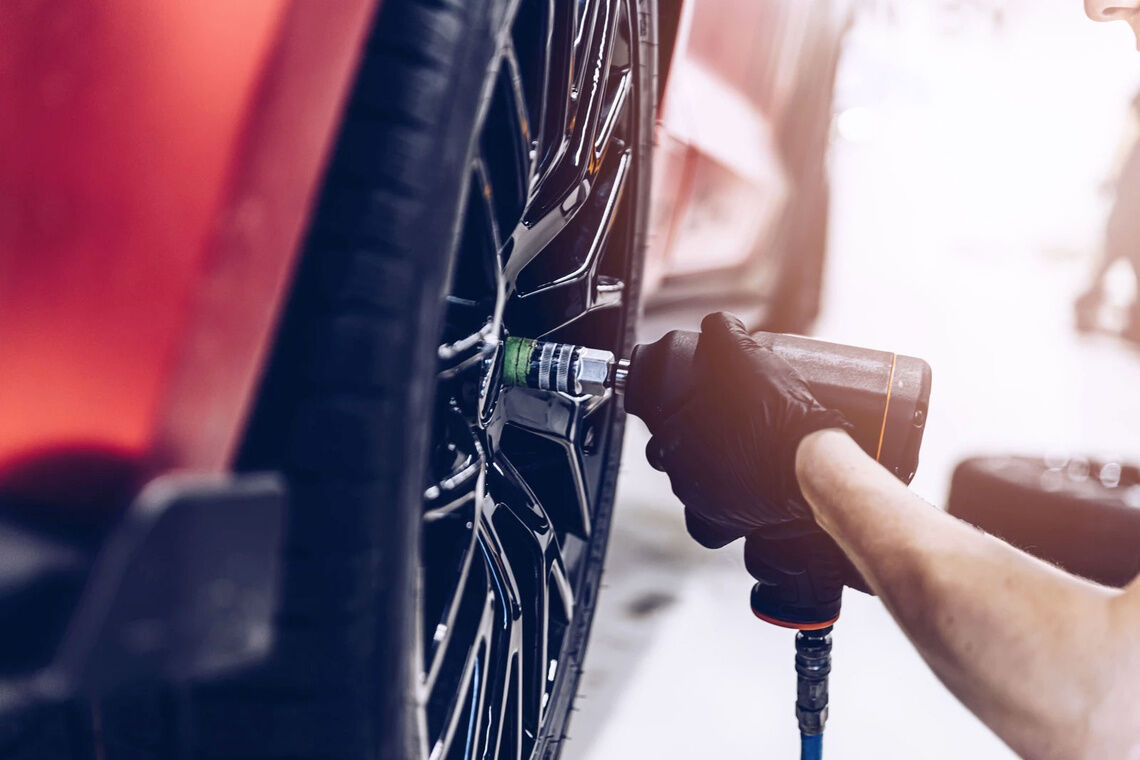
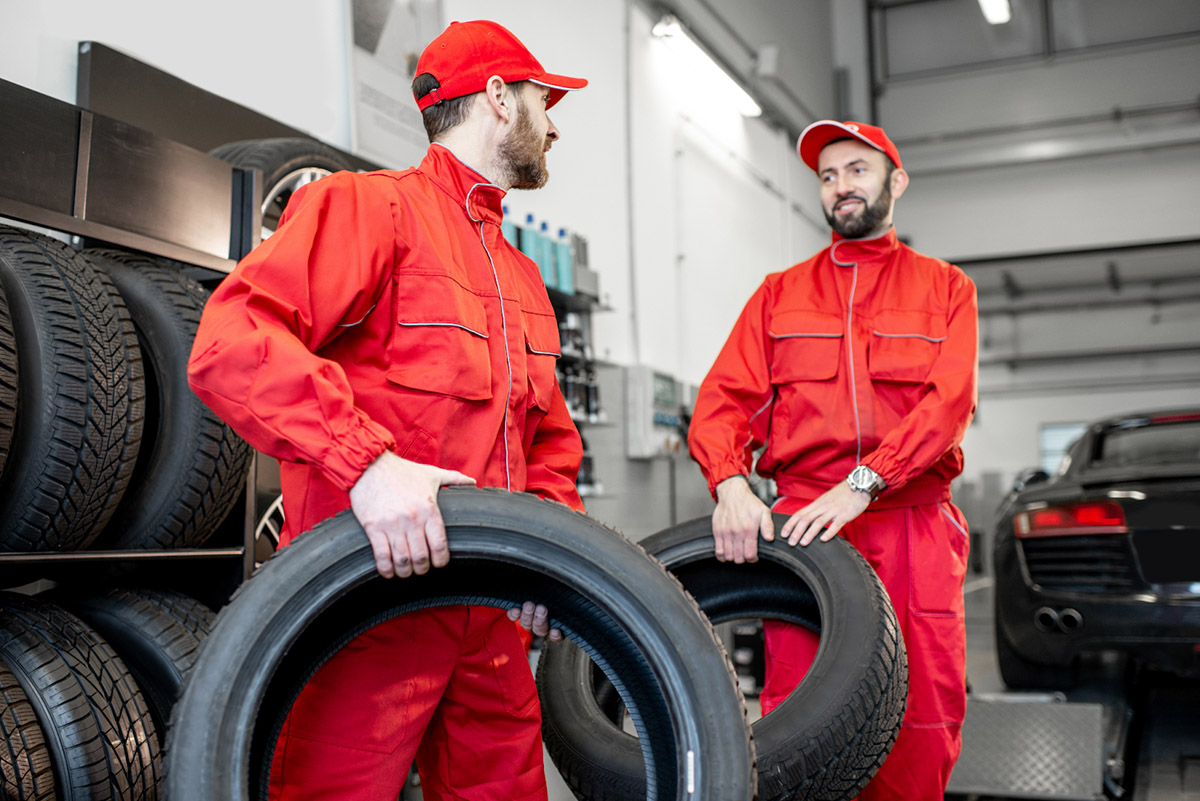
The last thing you want on your road trip adventure is a flat tyre, or tyres that aren’t up to the demanding tasks of a long journey. As such, one of the most important things you need to check before leaving for your adventure is your car’s tyre pressure. Make sure to inflate or deflate the tyre pressure according to the manufacturer’s specifications.
Along with reducing fuel consumption, having the correct tyre pressure reduces the risk of punctures, makes for a smoother ride, and limits the wear and tear on your tyres. A lower tyre pressure can indeed provide better traction, but make sure not to go too low, as it can damage the tyres or vehicle, which is the last thing you want.
To prepare your tyres for a big road trip:
- Inspect all four tyres before leaving for your trip, looking for wear and tear
- Ensure that all the tyres have enough tread
- If a tyre is low on pressure, inflate it properly or swap it out with a spare to replace it or fix the leak
- Always bring extra tyres on long road trips in case of a puncture or damage
Brake Condition
You’ll want to ensure that your vehicle’s brakes are in fine working order, free from wear and tear and up to the job if you need to brake suddenly on your road trip. Unless you know what you’re looking for here – to be able to tell if your brakes have wear, it’s best to take your vehicle in for a full inspection at a qualified mechanic who can test your car’s brakes for you, to ensure they’re functioning correctly.
Suspension
Your vehicle’s suspension is the system that connects the wheels to the vehicle, allowing for motion while also supporting your car’s weight and providing a smooth, stable ride as you drive. It absorbs shocks and vibrations from the road, maintaining tyre contact for better handling and control. Key components here include springs, shock absorbers, and linkages. You’ll want your suspension in excellent condition before a long road trip, so again, have your trusted mechanic inspect it before a long, interstate road trip.
Other Tips to Prepare Your Car
You, or a trusted mechanic, should conduct the following checks on your vehicle:
- Check that all bolts, screws, and nuts are tightened and secure.
- Consider getting an automotive electrical check to ensure that everything is working.
- Clean all headlights, rear lights, indicators, windscreen, reflectors, and side mirrors.
- Consider having a full professional mechanical inspection and service.
- Check the fan-belt tightness, battery levels, roof racks, radiator levels, brake fluid levels, power steering fluid, door seals, engine fluid levels, and coolant levels.
- Make sure all gauges and dashboard functions are working.
Don’t Overload Your Vehicle
Your vehicle has a weight limit, which is the maximum weight that it can carry. This is available in your owner’s manual, or you can look it up online as well. It’s important that you don’t overload your vehicle, and that you distribute the weight of your stuff throughout the vehicle as well.
For instance, if you need to carry heavy items in your vehicle for your road trip, consider spreading them out across your vehicle so that the weight is evenly distributed across the front and back of your vehicle.
Carrying Heavy Loads?
If you’re planning on carrying or towing heavy loads, such as if you’re a tradie, off-roader, or a grey nomad towing a caravan, you should consider a gross vehicle mass upgrade.
Drivers planning to tow or carry heavy loads should consider a gross vehicle mass upgrade Bundaberg service to stay within legal weight limits and improve safety.
Final Tip: Navigation
If you’re travelling to remote regions – like the Outback, for example – these are not parts of Australia you want to get lost in. Along with unpredictable and poorly maintained roads and wild weather, mobile phone coverage in the outback is difficult to predict, even with the best provider and coverage.
So be sure to bring along a map, compass, or a reliable GPS device to help you navigate rural and remote areas with poor mobile phone coverage. A two-way radio is also excellent for communicating with other drivers in your group if you’re travelling in a convoy. Even if your car has built-in GPS navigation, it’s safer to carry a spare map in case of a GPS malfunction or error.
–
This article has covered how to get road trip ready, with tips on what most drivers forget to check before hitting the road.