
Adding performance mods to a vehicle like a Corvette, Camaro, or Mustang is a thrilling way to unlock more horsepower, sharper handling, and improved response. Once those modifications are installed, though, the job isn’t over.
What follows is the ongoing responsibility of maintenance. Without attention to detail, that newfound power can wear down systems faster than expected. Preserving the results of your upgrades means treating your vehicle differently from a stock version.
A car that’s been altered for speed or precision operates under different stress loads. Performance parts often push engines harder, send more torque through the drivetrain, and demand better cooling across systems.
The best approach is to build a new routine that matches the new demands. Treating the car as if it’s still factory-tuned can shorten the life of those mods and reduce reliability.
Routine Checks Matter More After Mods
Vehicles modified for power gain typically run hotter and harder. That means fluids need closer attention.
After any round of Corvette mods, for instance, transmission fluid and engine oil can degrade faster. Higher output generates more heat. That heat breaks down lubricants more quickly. Monitoring levels more often and sticking to shorter change intervals is a smart habit.
Coolant should also be flushed more frequently. Thermal load from increased horsepower can put more pressure on radiators and thermostats.
Oil choice makes a difference. After engine tuning, thicker viscosity oils may help reduce friction under high RPM use. Not every engine responds the same way. It helps to consult a specialist or performance technician familiar with your car’s platform. That includes knowing what viscosity range works best under the climate and driving style where the car is most often used.
Tires and Brakes Are Under Constant Strain
Power upgrades often translate into quicker acceleration and higher cornering speeds. That means tires and brakes face more abuse.
After Camaro mods that increase torque or install a limited-slip differential, rear tires may wear unevenly. Rotation schedules should become more frequent. Tread depth matters for more than just grip. On a modified vehicle, losing traction can stress suspension components or differentials.
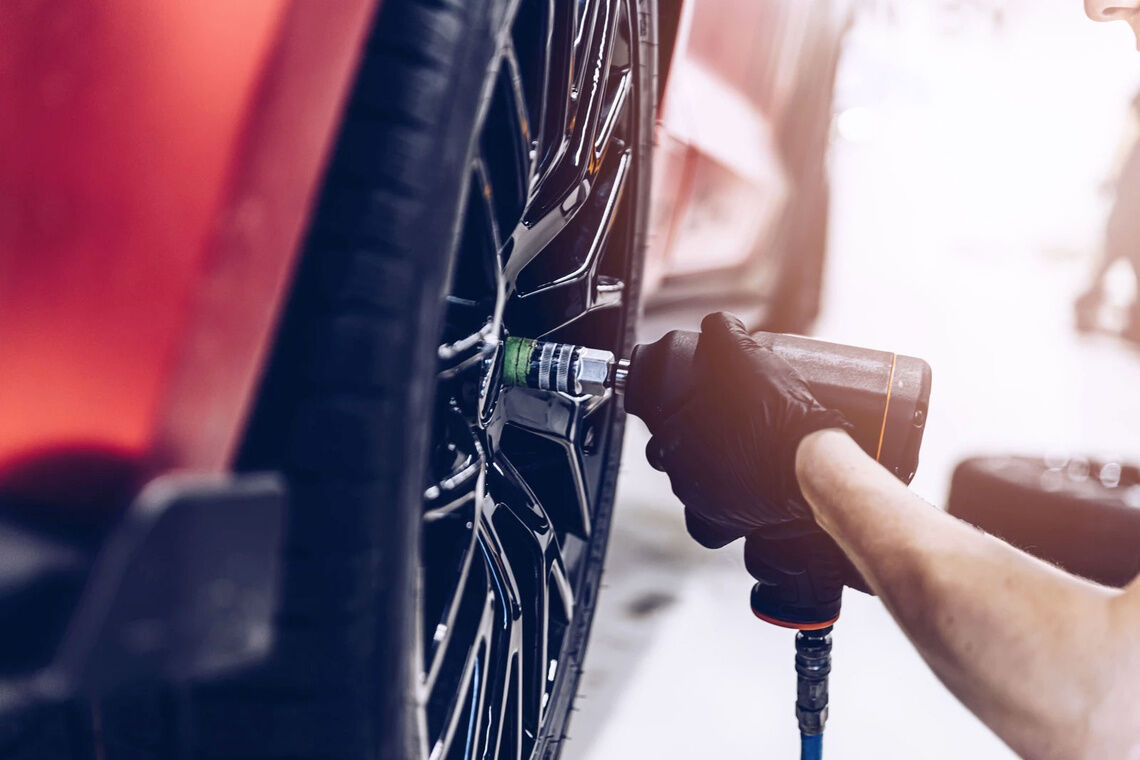
Brakes should also be inspected regularly. Even if you installed high-performance pads or rotors, those parts are under constant pressure. Warping can happen quickly, especially after spirited driving. Listen for any change in pedal feel or noise. Vibration under braking may signal uneven rotor wear or improperly torqued wheels.
Keep brake fluid fresh, too. High-performance braking generates extra heat that can degrade fluid sooner than factory service intervals suggest.
Suspension Needs Ongoing Attention
Many drivers add coilovers, sway bars, or strut braces to their muscle car builds. These Mustang mods, while helpful for handling, introduce complexity. Adjustable components need monitoring. Threaded collars on coilovers can loosen over time. Ride height may shift slightly, which in turn affects alignment.
Regularly checking for movement or wear in the suspension is part of maintaining performance gains.
Bushings also take a beating when a suspension system is tuned for responsiveness. Stiffer mounts can crack or deform faster under hard loads. Listen for creaks or pops. Inspect often.
What might seem like a minor noise could be a signal that a mount is failing. A loose or worn bushing may also transfer more vibration into the cabin. Performance builds ride tighter, so even subtle changes in feel should prompt a checkup.
Exhaust Systems Need a Close Eye
Many performance builds involve upgraded headers, mid-pipes, or cat-back systems. These changes improve flow and sound but also require more attention than factory exhaust parts.
Heat cycles can loosen clamps or flanges. It’s important to inspect these connections periodically. Exhaust leaks can reduce performance, trigger check engine lights, or introduce harmful fumes into the cabin.
Vibrations can also affect mounts. High output builds often create resonance that stock systems don’t. Check hangers and isolators for cracks or wear. Rust is another concern. Even stainless systems can corrode over time if exposed to salted roads or constant moisture.
Keep an eye on welds and bends. A small crack can quickly turn into a full-blown failure if ignored.
Electronic Systems After Tuning
Tuning is often the heart of any performance mod package. Whether it’s reflashing the ECU, adding a piggyback module, or running a standalone system, software plays a major role.
After installation, it’s wise to monitor how the vehicle reacts to different conditions. Modified air-fuel ratios, ignition timing, and boost levels can all affect drivability. Logging software can help diagnose issues before they become damaging.
Sensor health becomes more important as well. An O2 sensor that works fine on a stock car may struggle to read accurately on a modded engine. The same goes for mass airflow or throttle position sensors.
If fuel trims or idle behavior change, consider checking those components.
Upgrades can push the factory electronics to their limits. It helps to keep diagnostic tools handy, or at least stay connected with a tuner who can review data logs remotely.
Storage Considerations for Modded Cars
A performance-tuned vehicle often needs different treatment during periods of disuse. Parking it for a few weeks or months without preparation can lead to issues.
Fuel stabilizer helps prevent varnish in upgraded fuel systems. Trickle chargers protect batteries connected to additional electronics. For cars with altered suspensions, lifting the vehicle slightly during storage can relieve pressure on tires and shocks.
Even indoors, it’s important to cover the car with a breathable fabric to prevent moisture buildup. Modded engines tend to have more exposed or aftermarket components that may not resist corrosion as well as stock parts.
Keeping things dry and clean prevents trouble when it’s time to start the car again. If the build includes a custom intake, make sure it’s sealed tightly to block out pests or dust.
Working With the Right Source for Parts
Maintaining a modded vehicle becomes easier when you start with quality components. A reputable parts dealer offers more than just availability. They tend to stock parts tested on specific platforms and often have real-world data about how those items perform under stress.
That kind of background matters when every bolt and setting affect your car’s performance. Shopping from a trusted source means fewer surprises down the road.
Service and support also play a role. Dealers that know the platform can guide you through break-in periods, tuning timelines, and recommended maintenance intervals. Whether it’s torque specs or compatibility concerns, having that backup knowledge helps keep your build running as intended.
Driving Habits Must Match the Mods
How a car is driven after upgrades is influential in how long parts last. Frequent full throttle pulls, or aggressive cornering shorten the lifespan of almost every system. It helps to know the limits of each modification.
Heat soak, clutch wear, or differential stress can build up quickly in extreme conditions. Giving the car time to warm up before hard driving and letting it cool down after helps preserve the modifications.
Driving in traffic with a performance clutch or stiff suspension creates wear that the stock version never had to absorb. Know when to back off.
No matter how well a system is built, every piece has a limit. Treating the car with mechanical sympathy can keep it performing consistently, even with heavy modifications.
Protecting Your Build Means Respecting the Details
Once the modifications are done, the real work begins. Performance mods are only as good as the care they receive afterward. Maintenance isn’t about preventing problems; it’s about preserving the feel, sound, and power that made the build worthwhile.
Every gear shift, throttle blip, and corner exit depend on healthy systems working together. Respecting those systems through attentive care makes the difference between a car that impresses once and one that delivers every time it rolls out of the garage.