

Many car lovers focus on design. They envision a dream car as one with a sleek body and a perfect paint job. They even have the specifics on which color suits their personality. Further, they know such a car should have a comfortable, modern, and well-fitted interior.
Although all of these ensure you have a car that stands out, they do not keep your car on the road. What you need is maintenance. It ensures the vehicle performs as well as it looks. Therefore, this article explores the balance between design and maintenance to ensure functionality.
In This Article:
Why You Should Not Treat Design and Maintenance Separately
The design takes center stage in discussions among car enthusiasts. They may talk about accessories to modernize and personalize the ride. For instance, some may focus on advanced infotainment systems. Others discuss connectivity features like vehicle-specific apps.
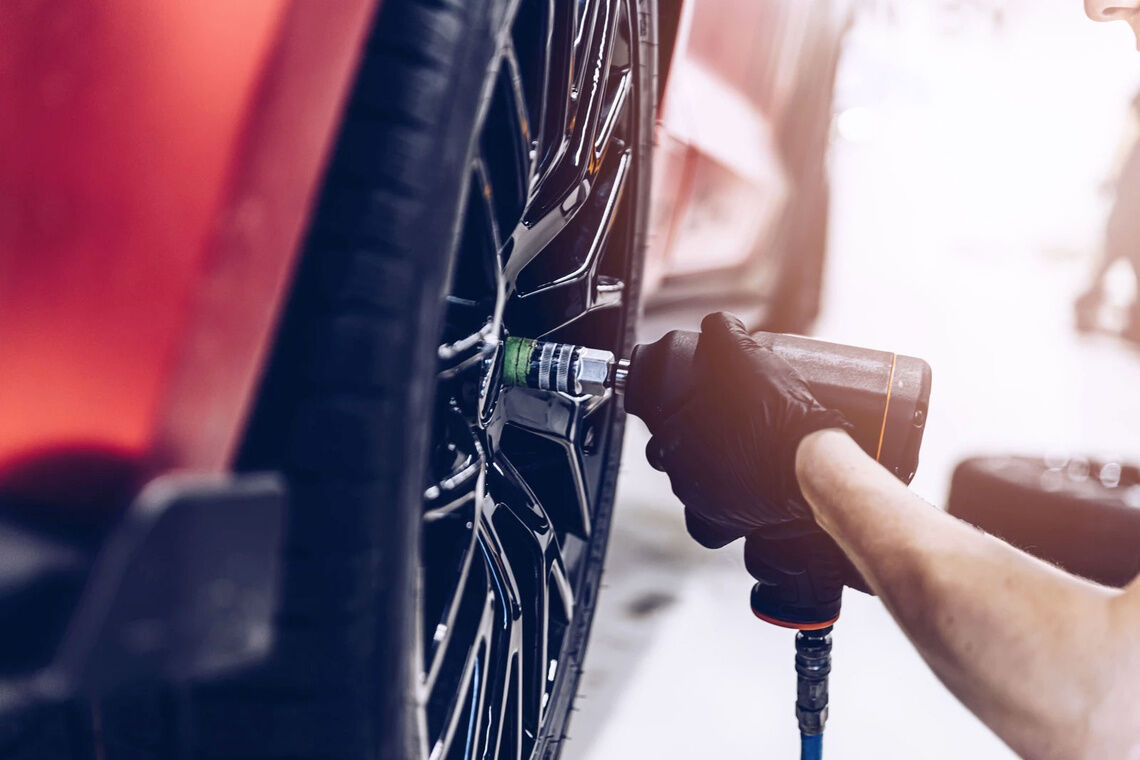
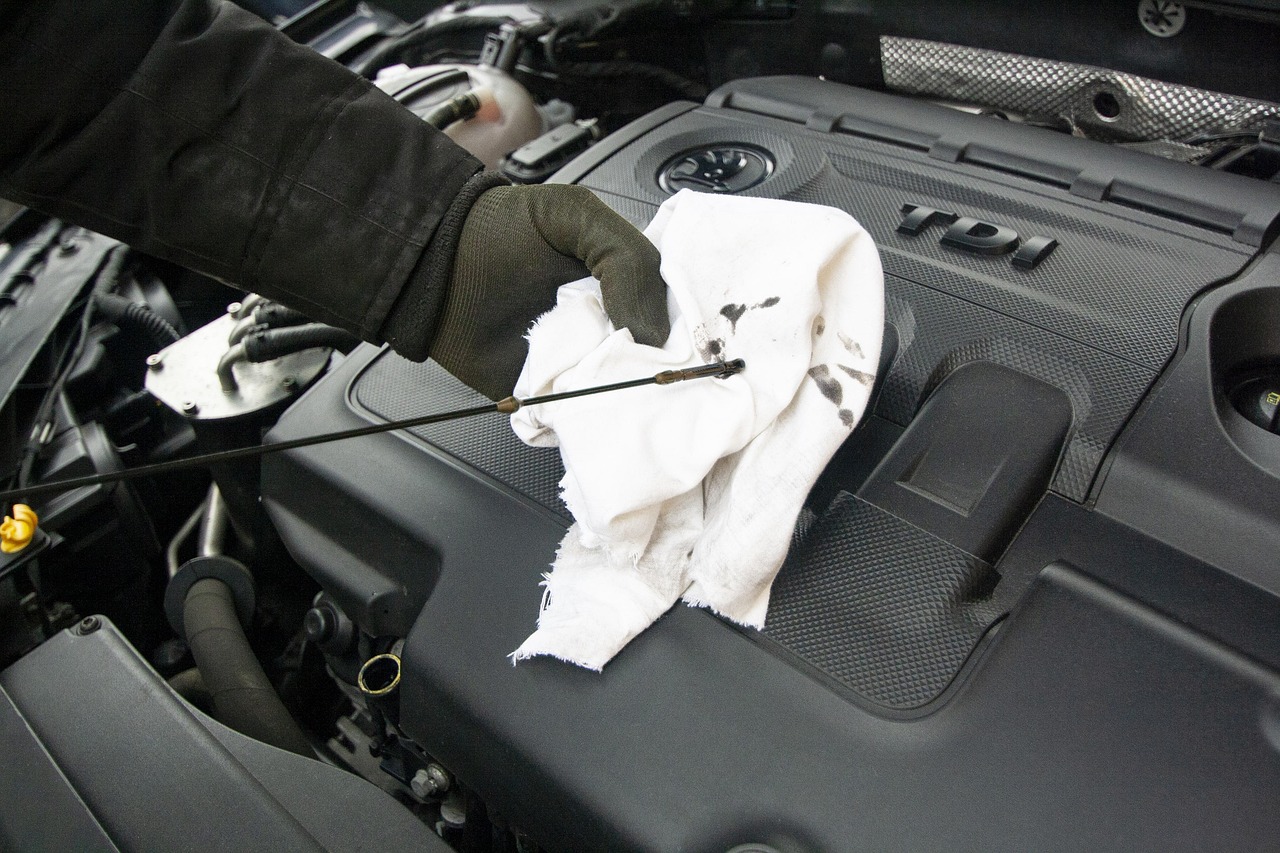
You rarely hear discussions about maintenance unless a car owner needs tips or advice after an issue emerges. However, the best approach is ensuring regular maintenance. For instance, instead of waiting until your car is already showing extensive damage and needs a few days at a traditional body shop, a mobile bumper repair service can fix minor dents and paint chips. So, why should design and maintenance go hand in hand?
Having the right tools can make all the difference when personalizing and maintaining your car. Some major repairs might require quality welding gear for lasting results. For dependable equipment, check out ridgeproductswelding.com, where you can find auto darkening welding lens, and other equipment that protect your eyes while working safely and efficiently.
A Well-maintained Car Preserves Design Value
You may have an impeccable car design, but once you ignore maintenance, it loses its impact. For instance, flaking paint raises questions; it doesn’t turn heads. The spark that may have highlighted discussions around your car disappears. The issue isn’t cosmetics only. Various parts also begin to wear and tear when you ignore maintenance.
For instance, the suspension can sag. The bushings may also wear unevenly. With time, such issues change how your car looks. However, if you maintain your car even as you focus on enhancing its design, it serves you longer. Further, it preserves the factory finish that makes you stand out for owning the latest model.
Design and Function Are Closely Linked
Design goes beyond aesthetics. It affects how your car performs. For instance, air intakes affect engine cooling. Thus, you enjoy better speed when your car has efficient airflow. Another example that shows this interconnectedness is your headlights.
When you focus on upgrading and customizing your car, you may opt for advanced designs instead of factory headlights. As you consider the design to choose, you must ensure their shape and position suit your car to enhance visibility. Thus, design and function must align. Design and function are also not separate aspects when reselling a car.
A prospective buyer will check both. First, you may show them photos of the car so they can decide if it’s a suitable model for them. If they like it, they ask to see it. Hence, they come to evaluate both the design and function. They take it for a test drive to check its performance. You may not justify the selling price despite spending on numerous design upgrades if it makes strange engine sounds or displays other functionality issues.
Affects Owner Identity
Car enthusiasts expect a design to reflect the owner’s personality. Hence, everything, from the choice of color to the trim, impacts identity. Some owners spend years customizing their cars. Now, imagine the identity you portray when you drive a car with dents or a missing grille. It shows a state of neglect. Therefore, regular maintenance protects your identity. It shows that you want to keep it, not trade it in as fast as possible. Most of the design choices may also reflect significant milestones.
For instance, you may have unique decals from a trip or event you attended. When you maintain your ride, it preserves the history of those mods (modifications).
Prioritizing Style Over Maintenance is Costly
You may get caught up in upgrades. Once you install new wheels, you see something else and decide to upgrade. It becomes a cycle, and you may never satisfy the hunger for more accessories. However, when you skip basic care and prioritize customization, the problems catch up fast. You end up driving a car with a design that masks real conditions affecting functionality.
It is also wise to balance design and maintenance because some custom mods increase maintenance tasks. For instance, you may install aftermarket parts that wear faster than factory components.
Nonetheless, cars with minimal custom modifications also require maintenance because the factory design is as good as how you care for it. For example, modern features like touchscreens and voice control draw battery power. Thus, they need a healthy electrical system. Prioritize battery or alternator maintenance to prevent unresponsive display.
Another example is adaptive headlights. They help you drive at night or when navigating sharp corners. Their intensity and direction adapt to the driving conditions. However, they require regular maintenance to prevent dirt buildup. They may also fail due to calibration errors. Maintenance catches such problems before they affect your driving.
Neglected Maintenance Causes Structural Damage
Every car has a limit. Thus, neglecting maintenance tasks can impact the design beyond repair. For instance, you may notice a small patch of fading paint and assume it won’t worsen fast. Such spots on the hood or roof are easy to ignore because of the assumption that people rarely notice defects in such areas.
As the spot enlarges, the clear coat breaks down, which is the first layer that shields the color and metal from elements. Next, the sun, moisture, and other elements erode base paint. It exposes the roof or hood. Once moisture and oxygen reach metal, it triggers rust.
You can imagine how fast that escalates if you live in humid or coastal areas. As you continue to focus on upgrades and fail to maintain your car, the rust penetrates structural panels and reaches the frame. Restoring the original finish becomes more expensive.
Conclusion
Customizing your car makes it yours. It differentiates it from other models. You can get as creative as your budget allows, from installing new rims to custom seats and upgrading air intakes. Nevertheless, as you do that, remember to balance design upgrades with maintenance. If you neglect maintenance, the factor settings may fail. These keep the car running. If they wear out, the car may stop running eventually.