
A well-designed adjustable suspension system offers a dynamic solution for drivers looking to modify their vehicle’s performance across different environments. From city streets to racetracks, the ability to customize handling characteristics, ride height, and firmness transforms how a car behaves in motion.
This adaptability reshapes the driving experience and gives owners more control over how their car performs under various conditions.
In This Article:
Daily Driving: Comfort and Control in Balance
Daily drivers face a vast array of road conditions: uneven pavement, potholes, stop-and-go traffic, and long commutes on highways. Factory setups often prioritize a one-size-fits-all comfort level, which can feel floaty on corners or overly soft during quick transitions.
That’s where adjustable setups step in. By fine-tuning the suspension, drivers can strike a better balance between comfort and responsiveness.
Some setups allow you to adjust compression and rebound damping. These two forces directly affect how your vehicle absorbs bumps and how quickly it returns to its original height. Stiffening the dampers firms up the ride, helping with responsiveness during quick lane changes or cornering.
Soften them, and you’ll absorb imperfections in the road more gently.
This fine-tuning process is particularly beneficial for those who switch between city and highway driving. In town, softer settings preserve comfort; on the freeway, firmer damping can reduce body roll and provide a more stable, planted feel.
This level of customization gives daily drivers the ability to adapt their car’s ride to match the road rather than tolerating compromises.
Track Use: Precision and Performance on Demand
Track cars live in a different world. The stakes are higher, and precision becomes the top priority.
A static suspension setup might work on a single type of track or for one style of driving. Still, it often falls short when environmental conditions or track layouts vary.
Adjustable suspension allows track-day enthusiasts and competitive drivers to change their car’s behavior between runs or even between laps.
Corner weight balancing becomes possible with adjustable setups, particularly when paired with threaded bodies and camber plates. Getting the weight distribution right allows drivers to dial in grip and improve steering feel.
The ability to change ride height lets drivers drop the car’s center of gravity, which improves stability and minimizes body roll through fast corners.
Using a stiffer configuration at the track minimizes squat under acceleration and dive during braking. That makes a real difference in lap consistency and driver confidence. The added feedback from properly tuned shocks allows the driver to anticipate grip levels better and react with more precision.
Some racers also adjust suspension settings based on weather. In dry conditions, stiffer setups work well. When the track is wet, a softer approach might increase grip.
This level of control makes a significant impact on performance.
Springs: The Foundation of Feel
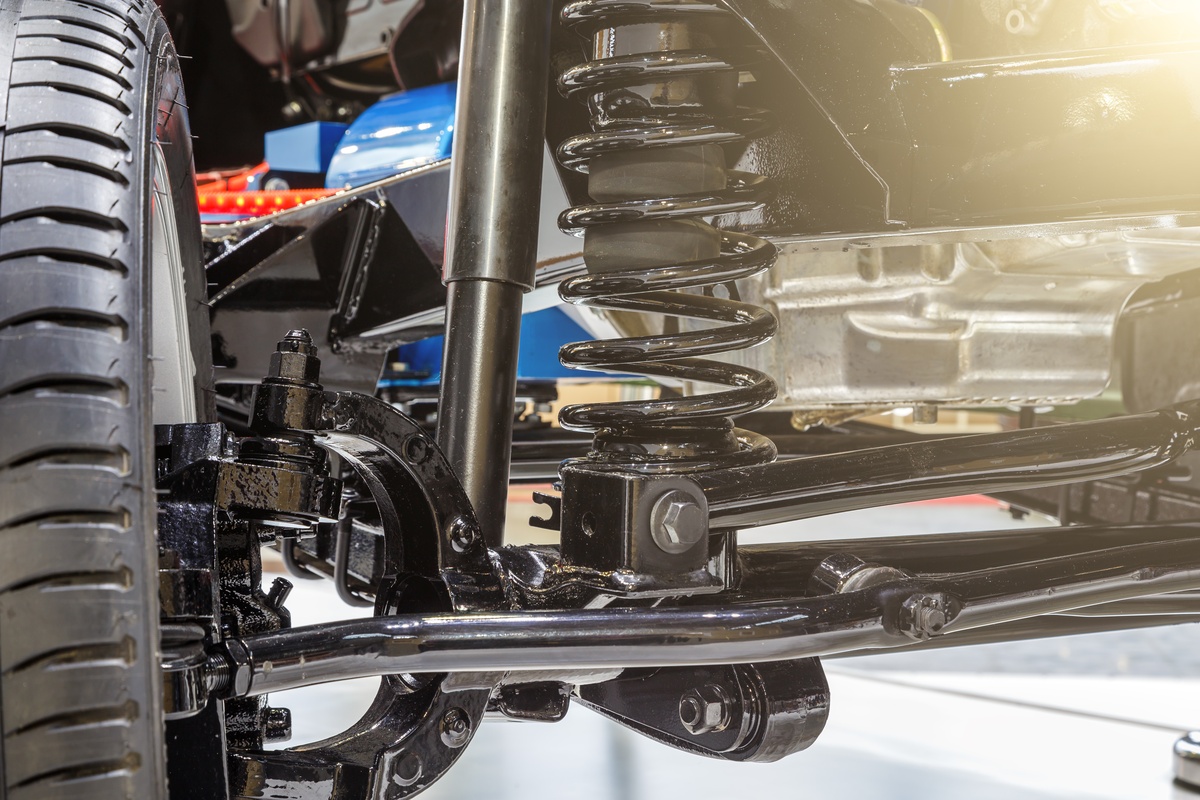
The type and rate of springs used in a suspension system directly influence how the car behaves under load. Lower spring rates often increase ride comfort but reduce performance. Higher spring rates improve control through corners but can make the ride harsher.
Adjustable suspension systems frequently allow for easy swapping or dialing of spring rates to match the desired driving style.
Progressive-rate springs gradually increase resistance as they compress. That allows for a more comfortable ride over small bumps but added stiffness under heavy loads or hard braking. Linear springs, in contrast, offer consistent behavior throughout their compression range.
Both have their advantages depending on how the car is used.
The real benefit comes from being able to pair these springs with adjustable dampers. This pairing allows for detailed calibration that reflects the unique needs of each driver. Instead of compromising between comfort and control, drivers can have both when needed.
Shocks and Damping Adjustability
In an adjustable suspension system, shocks do more than absorb impact. They shape the entire ride experience. High-quality dampers give drivers the ability to fine-tune both low- and high-speed compression.
These adjustments affect how the car responds to small undulations versus large weight transfers like hard braking or quick direction changes.
Some systems even offer remote reservoirs. These expand fluid capacity, which can improve consistency over long stints and reduce fade during intense use. For those spending serious time at the track or navigating winding canyon roads, the ability to manage heat and consistency becomes a major asset.
Adjustable shocks allow for experimentation. Tinkerers and serious drivers alike can trial different setups to better understand how their vehicle reacts under varying conditions.
This learning process is part of what makes adjustable systems so appealing. They turn suspension tuning into a living, breathing part of the driving experience rather than a static component.
Air Lift Management Systems: Digital Control Meets Mechanical Precision
While traditional coilovers offer mechanical adjustability, air lift management systems introduce a digital layer to suspension tuning.
These systems allow drivers to change ride height and stiffness settings at the press of a button. That opens up options not only for performance but for daily practicality.
Drivers can raise the vehicle when approaching steep driveways or speed bumps, then lower it for highway driving or when parked for a sleeker profile. This flexibility is especially valuable for vehicles that combine show quality with real-world usability.
Many air systems now feature pressure-based presets and automatic leveling. That adds a new level of convenience. Rather than relying on manual dials, drivers can rely on programmable setups that match their driving needs without constant adjustment.
For those who want both visual impact and usable performance, air management provides the best of both worlds. While it may not offer the same razor-sharp feedback as mechanical systems, the trade-off in convenience and appearance is worth it for many.
Beyond Performance: Driving as Expression
For some, modifying suspension is about more than numbers and lap times. It’s about turning a vehicle into a personal statement. A car set up exactly how the owner wants it to look and drive reflects their personality and lifestyle.
Adjustable suspension supports this type of expression. It lets a daily driver carry a bit of attitude while keeping things civil. For a weekend track warrior, it means going all-in on performance without sacrificing flexibility during the week.
The ability to modify how a vehicle rides and handles puts control back into the hands of the driver.
Each adjustment tells a story: lower for aggressive stance; stiffer for more feedback; softer for weekend cruises. These choices add character and depth to a machine that’s otherwise designed for the masses. With the right suspension setup, any car can feel like it was built for one person only.
Making Adjustments for All Conditions
No road is the same every day. Weather changes. Traffic shifts. Conditions evolve.
Adjustable suspension lets a car respond to those variations rather than struggle against them. This adaptability can reduce driver fatigue, improve confidence, and turn every trip into something more enjoyable.
For those switching between street and track use, this flexibility becomes even more important. There’s no need to compromise with a ride that’s too stiff for city streets or too soft for fast corners. A single system, when properly tuned, handles both worlds with ease.
The best setups invite experimentation. Drivers who enjoy hands-on modification will appreciate the learning curve and rewards that come from tuning their suspension to fit their specific needs. Whether the focus is comfort, control, or appearance, these systems open up possibilities not available in fixed factory setups.
Precision Where It Counts
Adjustable suspension changes how a car feels, behaves, and connects with its driver. From daily commutes to track weekends, the ability to dial in your ideal setup opens up new levels of performance and comfort.
It’s not just about handling better or looking lower. It’s about turning your vehicle into a tool that fits your life on your terms.