


Getting around easily affects everything, from your daily routine to job opportunities and social life. Many have gotten by without cars, and people historically didn’t always have cars. However, owning a car gives you a kind of freedom that’s hard to match. Sure, buses and trains help lots of people, but they come with limitations that can throw a wrench in your plans. Ridesharing apps like Uber are convenient, but they have their own set of headaches regarding availability and cost. Choosing how you’ll get around needs some honest thinking about your lifestyle, budget, and what matters most to you.
Public Transport and Ridesharing Pros and Cons
Public transportation has some clear upsides. It’s usually cheaper than other options, especially with monthly passes, and it’s better for the environment. Many cities are working to make their buses and trains better for everyone.
But let’s be real: it’s not all smooth sailing. Rush hour can mean being packed in like sardines. Schedules can be unpredictable, especially during bad weather or when repairs are happening. And if you don’t live in a busy area? Good luck finding a bus that comes anywhere near your home.
Ridesharing apps stepped in to fill these gaps. They’re super handy when you don’t want to deal with parking, perfect for nights out or getting to the airport. The convenience of getting picked up at your door and paying through your phone is pretty sweet.
But there’s a flip side. Those rides add up quickly, and before you know it, you’ve spent way more than a bus pass would cost. Sad to say, ridesharing apps can toss caution to the wind about safety when you hop into a stranger’s car. Plus, these companies track where you go and keep your personal info.
Many people overlook the safety gamble they’re taking. Background checks vary widely in how thorough they are, and you’re completely at the mercy of how well each driver maintains their car. You give up control over who’s driving and how they’re doing it.
How To Make Car Ownership More Affordable and Sustainable
Owning a car doesn’t have to break the bank or go against your environmental values. With some smart moves, you can keep both your wallet and conscience happy while enjoying the perks of having your own wheels. From fuel efficiency tactics to alternative purchasing options, these practical strategies help make car ownership more economical and eco-friendly for anyone concerned about costs or environmental impact.
- Optimize fuel efficiency by keeping tires properly inflated, changing air filters regularly, and scheduling tune-ups that help your car sip fuel instead of guzzling it.
- Plan efficient routes when running errands to avoid zigzagging across town, and consider easing up on highway speeds to save at the pump without significant time loss.
- Share the ride through carpooling with coworkers or setting up regular rideshares with friends to distribute costs and reduce road congestion.
- Look into insurance discounts for low-mileage drivers, as many companies offer reduced rates for those who drive less frequently.
- Consider pre-owned vehicles since today’s cars easily surpass 100,000 miles when maintained properly, and you’ll avoid the steepest depreciation that hits new cars in their first years.
- Avoid common car buying mistakes like shopping without a set budget, ignoring your credit score before financing, or skipping research on vehicle history when considering used options.
- Explore electric and hybrid options that offer long-term savings through reduced fuel and maintenance costs, often supplemented by tax incentives that improve affordability.
First-Time Car Ownership: What to Expect

Jumping into car ownership means understanding there’s more to pay for than just the car itself — your monthly payment is just the beginning. Insurance costs will vary based on your driving history, what you’re driving, and how much coverage you want. Gas prices go up and down, and how much you’ll spend depends on your driving habits. You’ll also need to budget for oil changes, tire rotations, and fixing things that inevitably break.
Picking the right car makes a huge difference. Think about what you do most days, not just those occasional camping trips. City dwellers might love a compact car that sips gas and fits in tight parking spots, while families or folks who haul lots of gear might need something bigger. Some cars cost way more to fix than others, so check reliability ratings before falling in love with a model.
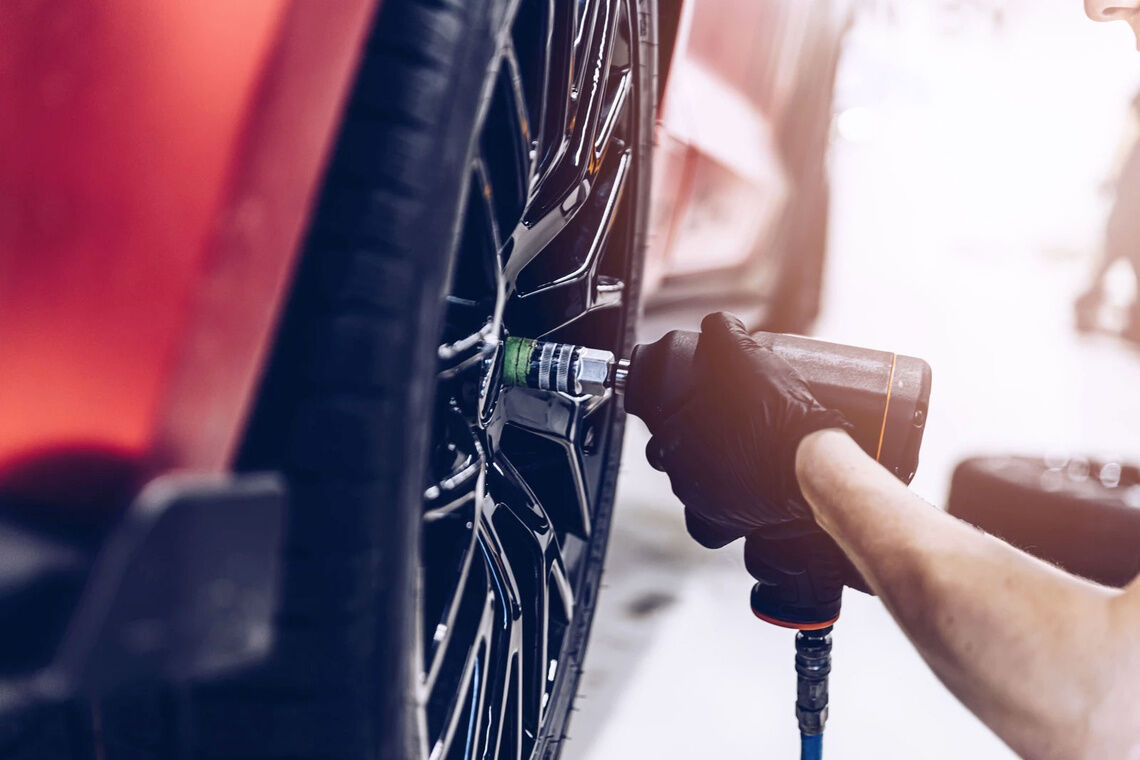
Knowing some basic car care saves you from expensive headaches. First, learn what those dashboard lights mean so you can act fast if something’s wrong. Be sure to check your tire pressure monthly, as it keeps you safer and saves gas. Follow the schedule for oil changes, brake checks, and fluid top-offs to help your car live longer.
New car owners sometimes do things that hurt their vehicles without realizing it. For instance, a few driver behaviors that can damage engines include ignoring warning lights, skipping oil changes, and slamming the gas pedal. Cold weather needs special handling, including warming up properly. Stuffing too much in your car strains everything and makes it harder to drive safely.
Getting a car also means being aware of the dangers of aggressive driving, such as screeching to stops, flooring it from lights, and taking corners like you’re in a race, all of which wear out brakes, tires, and suspension faster. This kind of driving also burns through gas, making car ownership more expensive than it needs to be.
Final Thoughts
At the end of the day, car ownership is a personal decision that balances freedom with responsibility. While public transit and ridesharing serve important roles in our transportation ecosystem, owning a vehicle provides a level of independence that many find invaluable.
The key is approaching this decision with clear eyes. Understanding the full financial picture, choosing a vehicle that truly fits your life, and maintaining it properly once purchased. Whether you decide to buy now, save up for the future, or stick with alternative options, making an informed choice based on your unique circumstances will serve you best.