
In the year 2025, the AAA Foundation on traffic issues reported that many drivers within the US still exhibit aggressive behavior and road rage. Almost all drivers (96%) questioned have admitted to having previously conducted an aggressive driving or road rage act in the previous year.
Knowing when to yield matters for safe driving. But what does “yielding” mean in driving anyway?
“Yielding” in driving is a term that implies letting other participants, such as car drivers, cyclists or pedestrians, go before you. One takes the step of doing this so as to avoid accidents or mistakes. There are situations where the process of yielding becomes more complex. To maintain the safety of all road users, one should always be familiar with how the act of yielding varies depending on various traffic rules.
Let’s examine the fundamental rules involved in yielding on the road.
In This Article:
The Basics of Yielding: What You Need to Know
It is suggested to give room to the vehicle ahead of you so that you reduce the risks of a car accident. Should you come across a sign with a yield road, slow down immediately so that the car comes to a full stop. Such gestures can often help prevent a collision.
Yielding is an issue of etiquette beyond obeying written or unwritten rules of traffic law and it involves all road users.
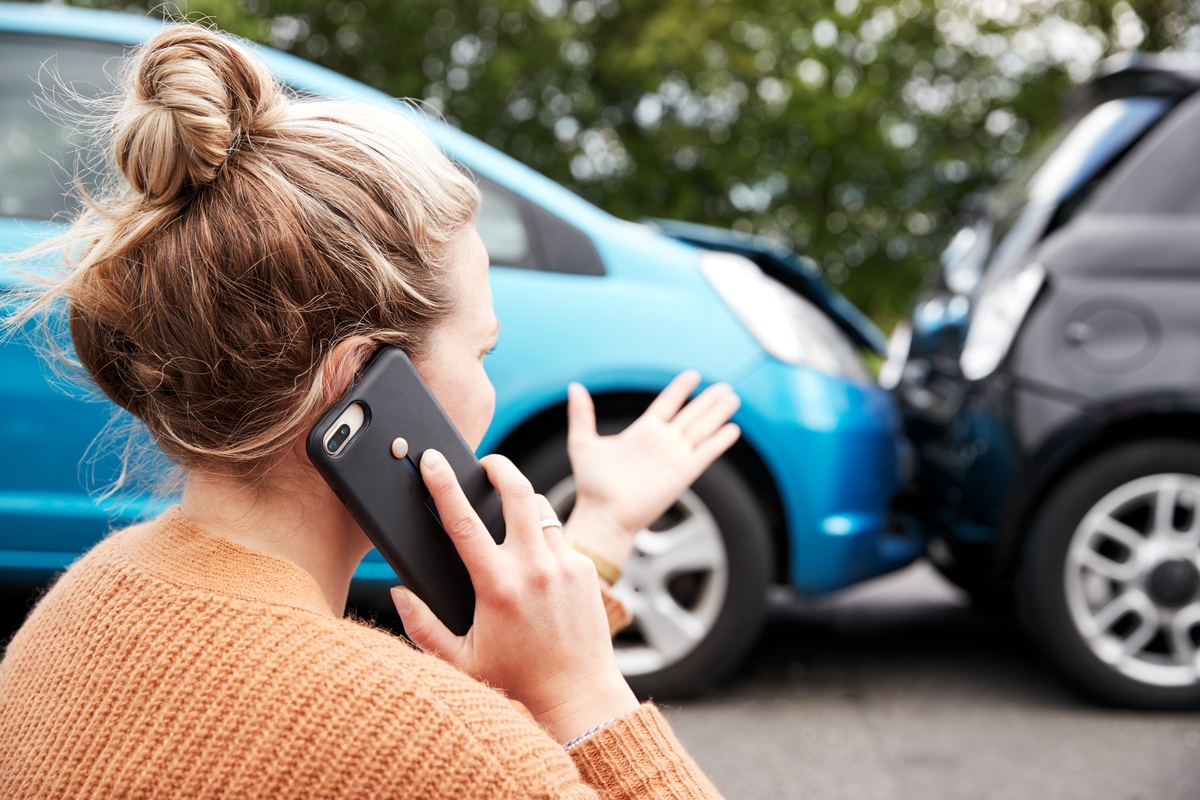
According to car accident lawyer Kristin Hobbs, failure to yield is sometimes a direct cause of accidents. It would be catastrophic on the road especially in intersections or pedestrian lanes when the driver doesn’t yield.
Drivers must apply due diligence when driving and if need be, they should give way to faster road users. Granting another driver’s right of way results in trust and cooperation between the two drivers.
Yielding at Intersections: Right-of-Way Rules
All drivers should avoid unsafe driving and accidents and obey the established rules and regulations prescribed for arrival at intersections. The driver who reaches or stops first at a four-way stop usually is the one that moves out first.
By using turn signals, nearby cars are able to estimate the path of a vehicle, which in general leads to conflicts. For the safety of everyone else, it is important that all road users follow the stated rules and drive safely.
Merging and Yielding on Highways: Key Considerations
Entering the highways requires some level of judgment. As you approach the merge lane, take a look in your side mirror and glance at the blind spot. Make necessary decelerations right before positioning yourself in the highway lane to prevent any accidents with other vehicles.
Being mindful during the merge helps you stay safe and away from potential accidents.
Roundabouts: Managing Yielding Protocols
The correct way of entering roundabouts requires careful attention on the part of the driver. Drivers must be prepared to give way to other users of the lane, especially if they were there first.
There must be no conflict with traffic when entering a roundabout. Yielding usually leads to a better driving situation and helps all road users share a more cooperative atmosphere. Slow down your vehicle as you enter the roundabout.
Common Misconceptions About Yielding and Defensive Driving
It is a common misconception that driving is always easy. Many of those behind the steering wheel have unknowingly increased the risk of road accidents by not following the traffic rules on yielding.
Many people believe that yield signs are only for intersections but this is completely false. Other road situations require yielding, such as when merging or when you are entering a roundabout. Some people think that slowing down is fine but you only have to stop when road signs tell you to stop.
Some drivers see yielding as some kind of weakness, but it’s more of a defensive driving choice. Yielding promotes safety above everything else. Just because one has the right of way doesn’t mean they shouldn’t let others go past them.
It is always a good idea to strictly adhere to the safety measures and stay focused while driving. Driving recklessly can also help avoid many unwanted and unfortunate incidents or crashes. Learning the rules on yielding is very important and necessary to prevent vehicle crashes.