

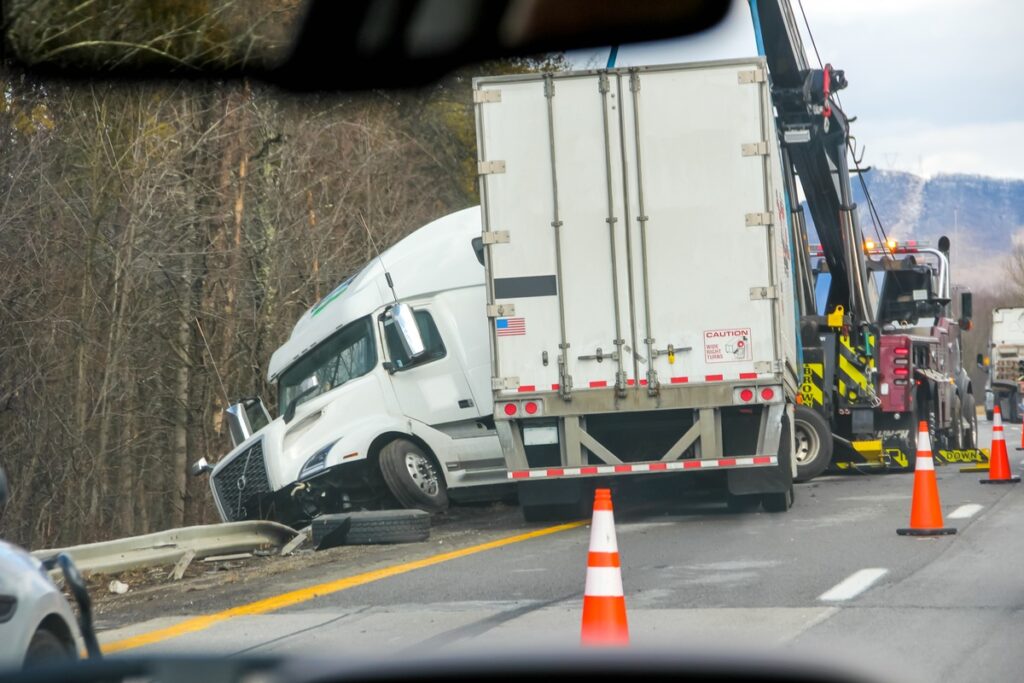
With the 13.5 million registered trucks in the US, 2.9 million of these are tractor-trailers that are essential for transporting all kinds of cargo throughout the country. And fortunately, they can cause serious accidents if anything goes wrong.
According to Consumer Shield, jackknife truck accidents can be deadly for all vehicles in the vicinity. But what causes a truck to jackknife? And what are the reasons for such accidents to happen?
Knowing the issues that cause jackknife accidents can add an extra layer of caution for truck drivers so they can remain safe while they are behind the wheel.
In This Article:
The Impact of Icy Roads on Truck Stability
Weather and road conditions are among the common causes that affect jackknifing. When icy roads hit, truck stability takes a pretty big blow, so the driver really has to stay sharp. That weird feeling when a truck starts to slide is unnerving and makes you realize how fast the whole situation can change.
With ice around, your steering can get worse, but losing control is also often sudden and hard to undo once it starts. Try keeping a wider distance from other vehicles, and easing off your speed is another helpful way to keep your truck steady.
As truck accident lawyer Eric E. Bartlett points out, if you end up in a truck accident, you may be able to sue the at-fault party for your medical costs. That includes hospitalization, surgeries, or any required long-term care needs.
And think about the bigger picture; you’re not alone on the road; other people are trying for safe driving too. So be mindful of the slick ice patches, and be ready to adjust your driving—when we pool our efforts, we get through these conditions together and help protect everyone.
Heavy Rain and Reduced Traction
Heavy rain will really reduce traction; depending on what’s happening, a truck driver should adjust the way of driving a bit.
Tires might end up having difficulty with grip on the road surface if it gets slippery. This particular condition can also raise the chance of jackknifing. In that situation, just slow down. Doing so gives you more reaction time to regain control.
Keeping a large distance from the other vehicles is the best option, because a sudden stop can become dangerous and cause skidding. Light braking is truly preferred; heavy braking will compromise the traction, though.
There are many other trucks out there on the road sharing the same situation. Stay alert, and then pass the message along to fellow truckers about what’s ahead. Looking after each other means you can get all drivers through the heavy rains, safe and steady.
The Role of Wind in Jackknifing Incidents
Wind can really mess with road stability in a way people don’t always see right away. Strong gusts give truck drivers, like you, a serious challenge. When those winds slap into your big rig, they can push it slightly off where it was going, so it becomes more difficult to properly wield control over the thing.
A lot of the time, that sideways force that follows behind hits lighter trailers more easily. When you are stuck When you get stuck in the middle of crosswinds, the truck starts swaying, and if you react too late, you have a higher chance of jackknifing.’t rush your pace, and be ready for sudden wind changes in places like open highways or if you’re on an elevated section too.
Overall, having wind awareness and changing how you drive helps a great deal; it can counter the wind’s pressure on you and keep your rig steady on the road.
Poor Visibility and Driver Reaction Times
Poor visibility can be brought about by fog, rain, or snow and all of these do their part against a driver’s reaction times in a very unfair way. If you can’t see clearly, you might end up not noticing the hazards in time; it only takes a moment, and it can go bad fast. There can be this sudden stop almost right in front of you or a car swerving from one lane into yours like it came out of nowhere. Your instinct kicks in to protect you but honestly, it may not always be enough.
Driving while under pressure still needs quick reactions, and the shorter sightline makes it harder even for top drivers. With low visibility it gets more and more difficult to respond in time when something unexpected comes up while you’re driving. That small lag can also put other road users in danger. You really need to size up the moment; ease off a bit and stay alert during these times.
Road Conditions: Potholes, Gravel, and Other Hazards
The road condition greatly affects the safety of drivers. When there are blocks and obstacles on the road, like potholes, gravel, and other objects lying on the roadway, truck drivers may have difficulty controlling their vehicles. This also increases the chance of jackknifing.
Watch out for potholes. Hitting one can make your truck jolt in a second. A gravel strike and sudden loss of traction can seriously put your stopping ability in danger. Most people don’t want bumps in their way; that’s pretty normal. Keep checking the road ahead and what’s around you all the time, so you can dodge those trouble points.
Your own safety matters. But you also have to take into account everyone else in the vicinity. As a road user, it is also your duty to keep the area where you are safe. So be a smart driver, and stay in sync with others for a smoother, safer ride on the road for all.